Tesla Sets New Date For Driverless Cars, But Only In Its Own Zones
Tesla has announced a new target for when customer vehicles can operate without a driver, though the capability will be restricted to specific operational areas.
By Thabo Mokoena ·
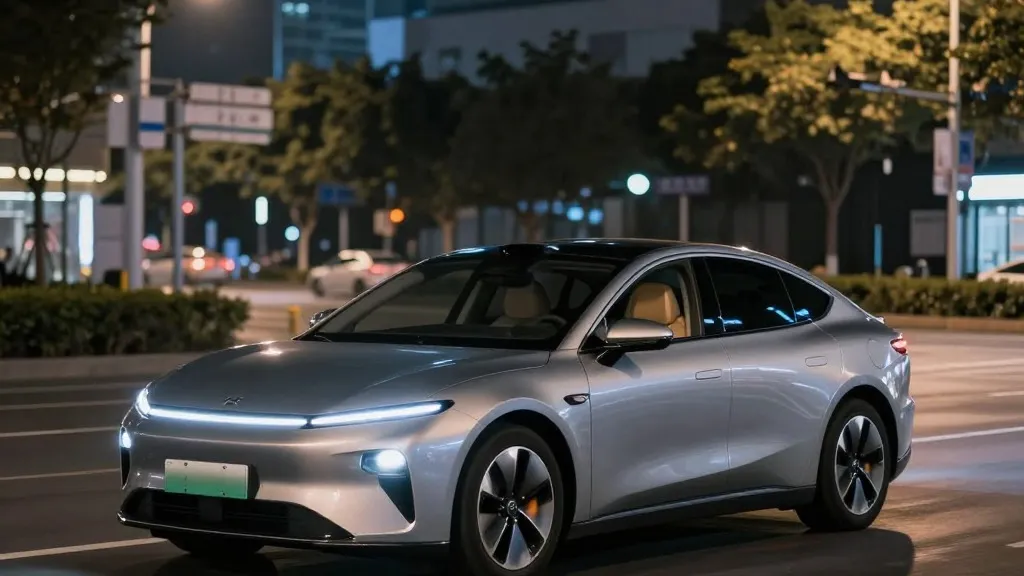
Tesla has announced a new timeline for a highly requested feature: fully autonomous driving without a safety monitor in the seat. During the company’s Q3 2026 earnings call on October 21, 2026, leadership stated that unsupervised Full Self-Driving capabilities for customer-owned vehicles are now targeted for the second quarter of 2027. This date marks the latest in a series of projections regarding this technology.
However, the rollout comes with significant conditions. Ashok Elluswamy, Tesla’s AI chief, clarified that this release does not simply mean a car can navigate anywhere a driver might want to go. Instead, the feature will allow owners to add their vehicles to Tesla’s managed Robotaxi fleet. Consequently, a personal vehicle would only drive itself without supervision in areas where Tesla’s Robotaxi service is already active.
The current operational areas for this service are limited. Tesla’s Robotaxi network is active in six U.S. metropolitan areas, but the designated service zones cover only small portions of those cities. For instance, the Miami zone is restricted mostly to West Miami and specific strips toward Doral and Sweetwater. Similar small geofences were established for the launches in Orlando and Tampa in July.
Within these restricted zones, the service operates under further limitations. Vehicles generally stick to low-speed routes, avoid highways, and stay away from more complex driving environments. In California, specifically the Bay Area, the service is not currently unsupervised. State rules require a safety driver in every vehicle because Tesla has not released the necessary data to the California DMV to move beyond a level 2 autonomous system.
The scale of the existing fleet is also limited compared to past predictions. Tesla reports that the Robotaxi service reached nearly 2 million cumulative unsupervised miles by the end of Q3 2026, following the addition of the Cybercab to the Austin fleet. Third-party tracking from earlier in the year indicated that the number of fully driverless Teslas on public roads was in the dozens, rather than the hundreds of thousands previously discussed by leadership.
This offering differs from the original product pitch made to customers. For years, buyers of Full Self-Driving software were told the vehicle would eventually be able to drive anywhere through a software update. Leadership has previously set various deadlines for this capability, including a claim in July 2025 that unsupervised personal use would be available by the end of that year in certain geographies.
Additionally, owners of vehicles with older hardware, specifically HW3 computers, have been informed that their systems cannot run unsupervised Full Self-Driving. There is no clear plan provided for upgrading these specific units. The new Q2 2027 target focuses on allowing owners to put their cars into the company's fleet within the company's zones, rather than a vehicle acting as a personal chauffeur across any destination.
Source: Electrek